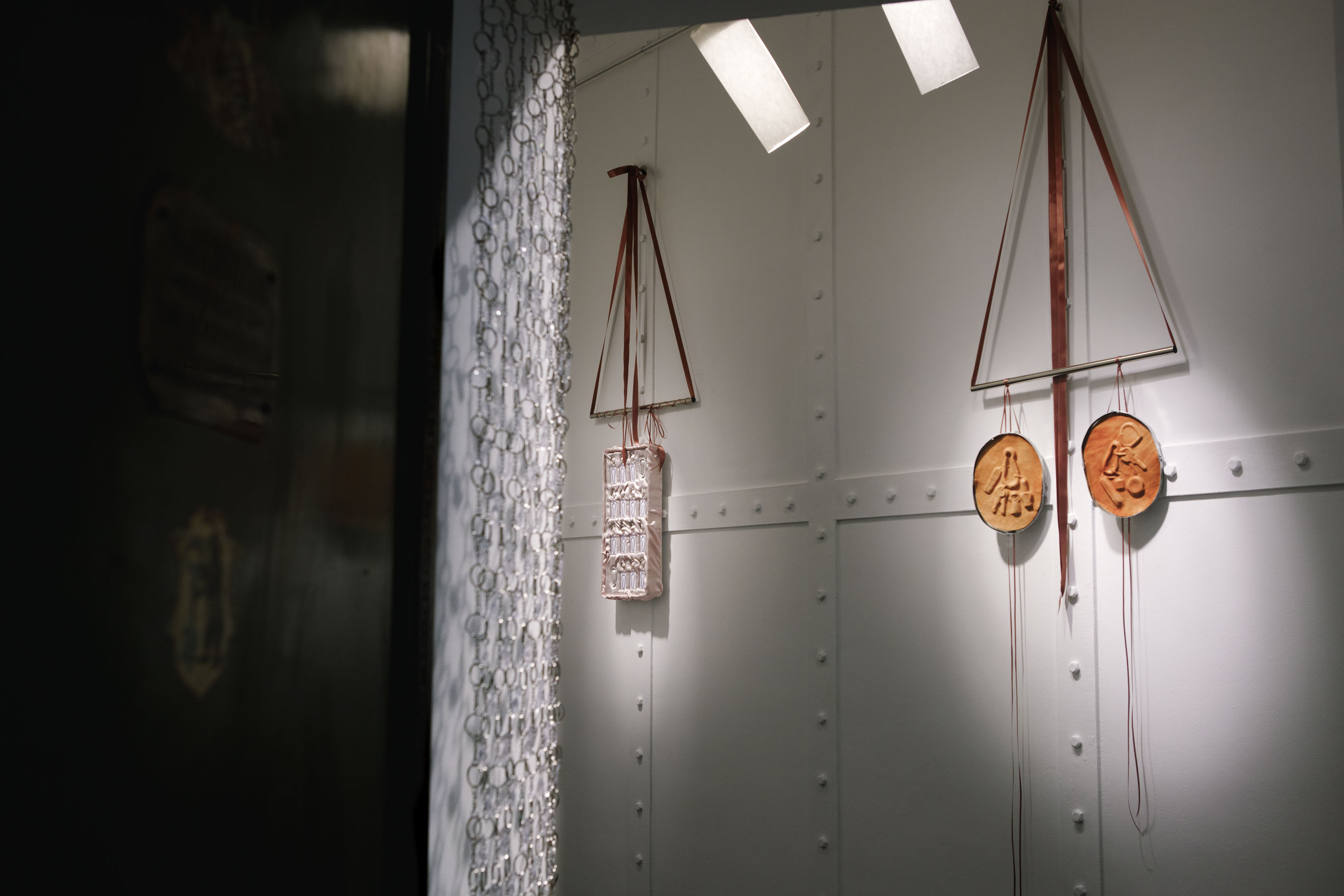
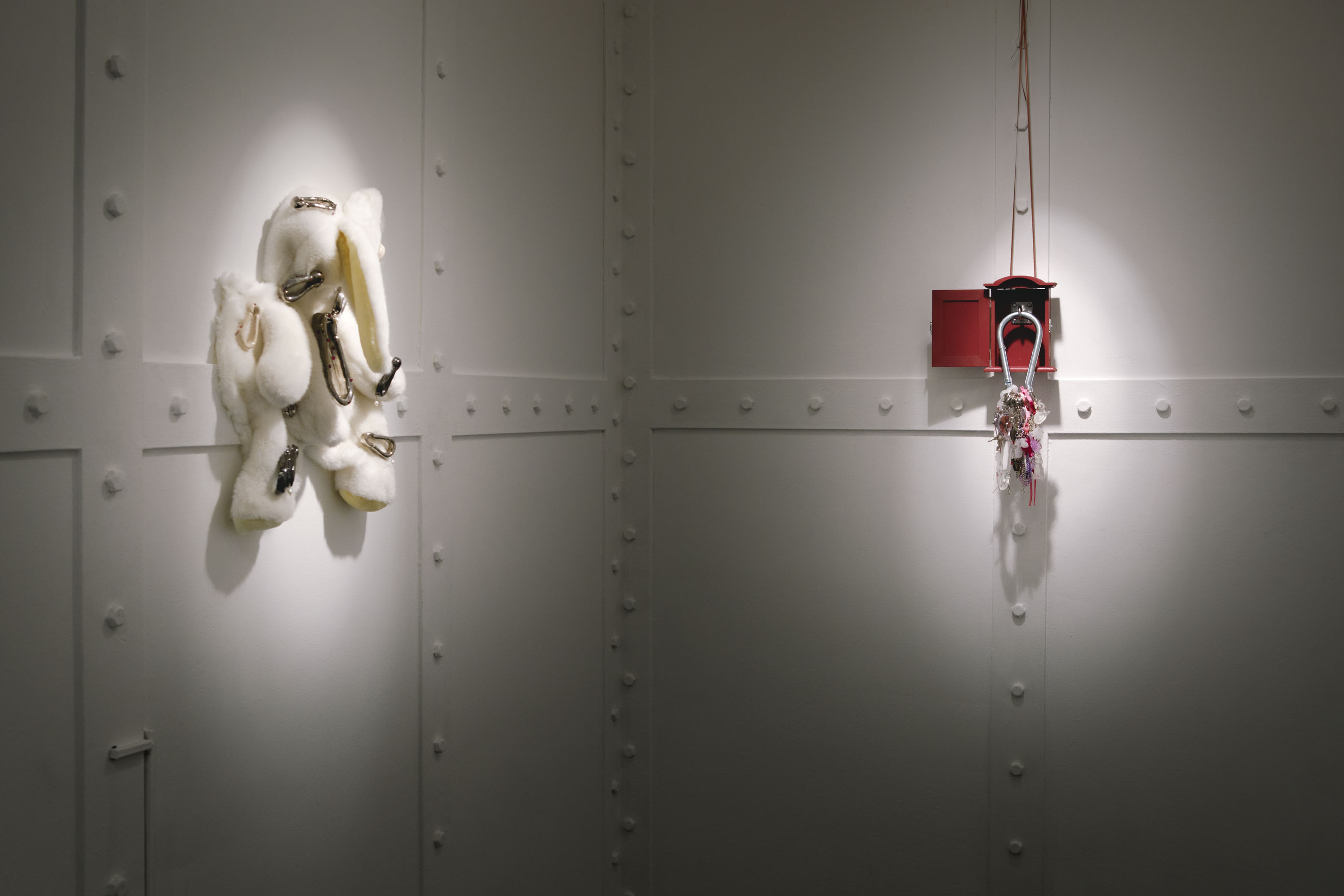
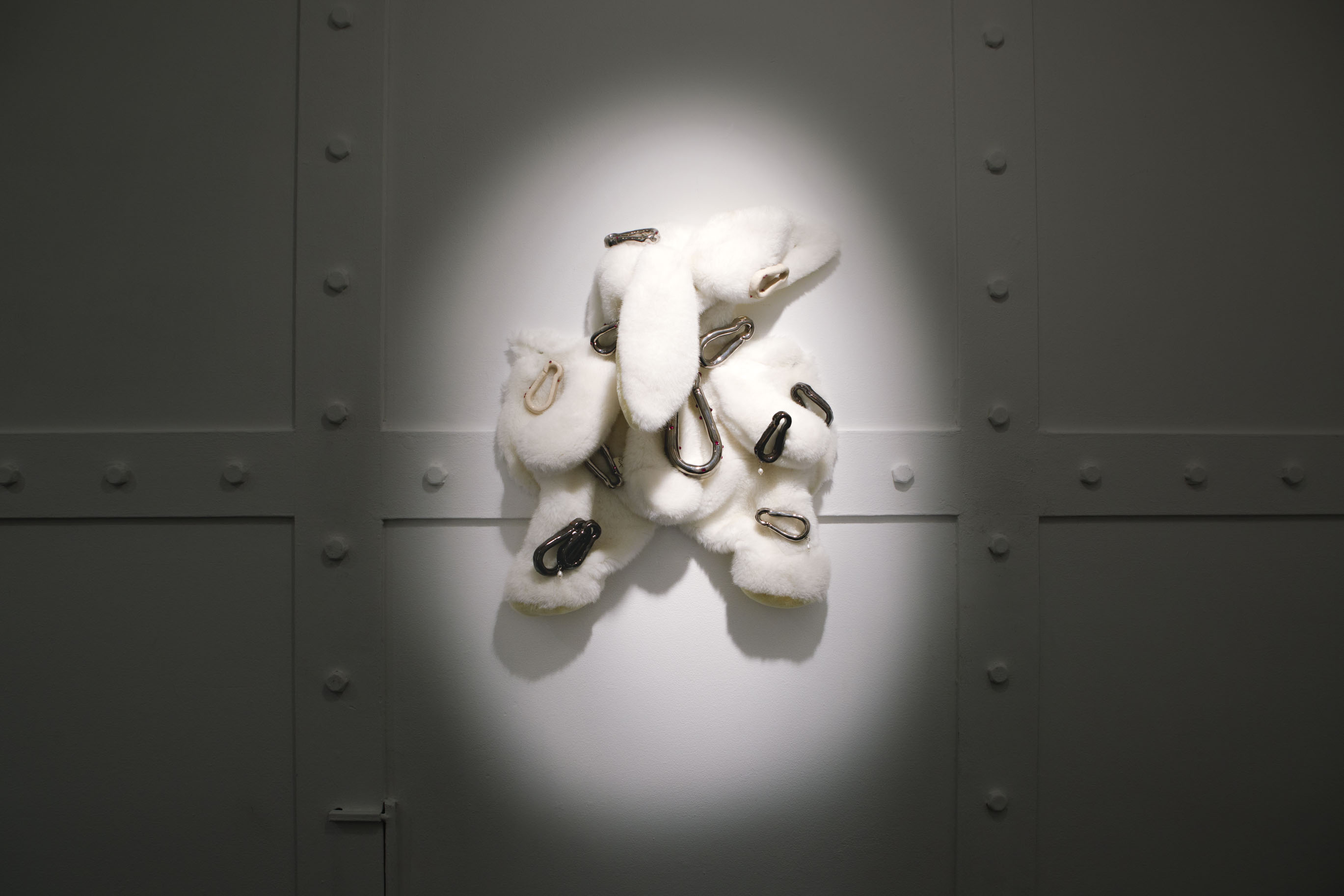
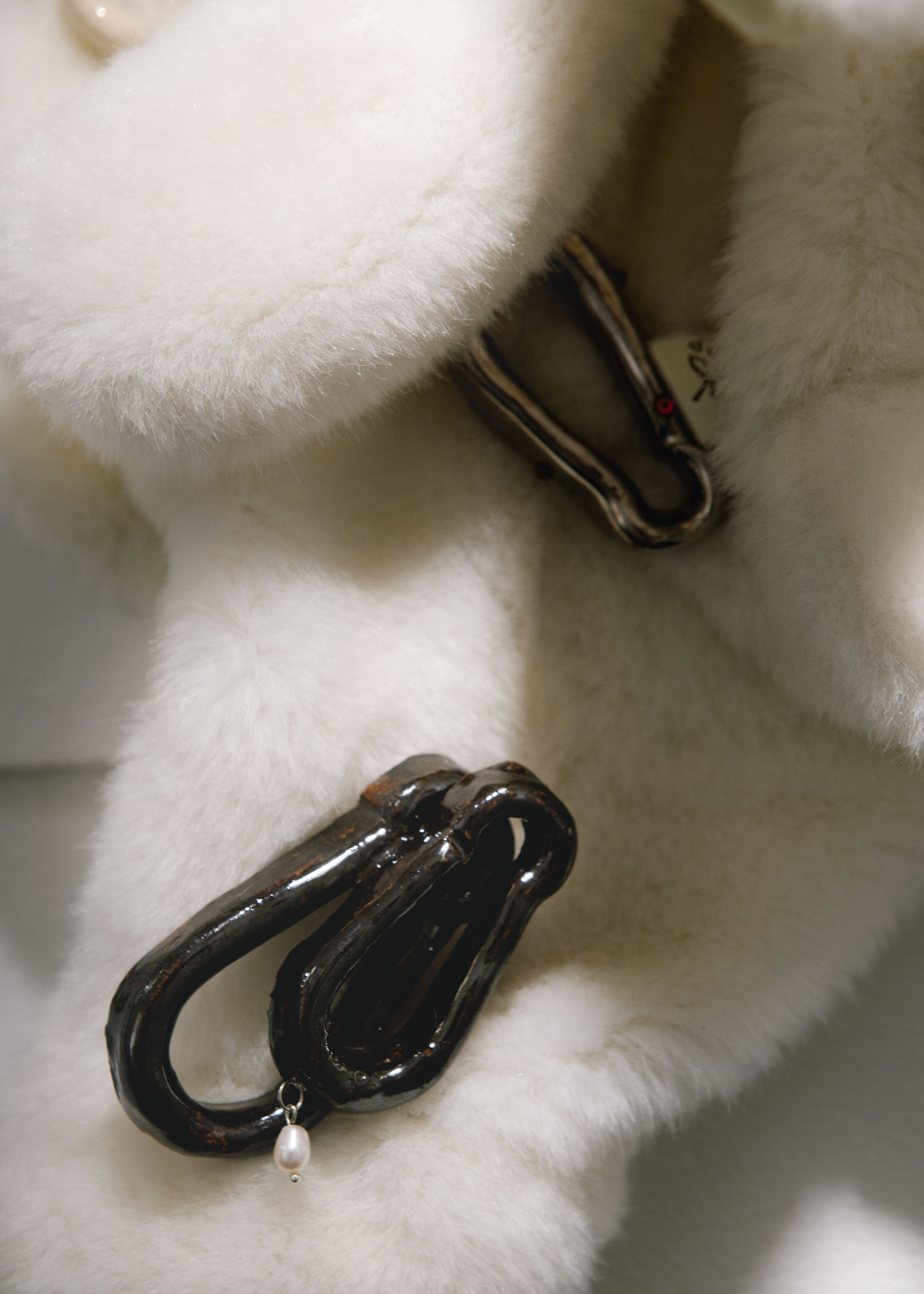
Works exhibited:
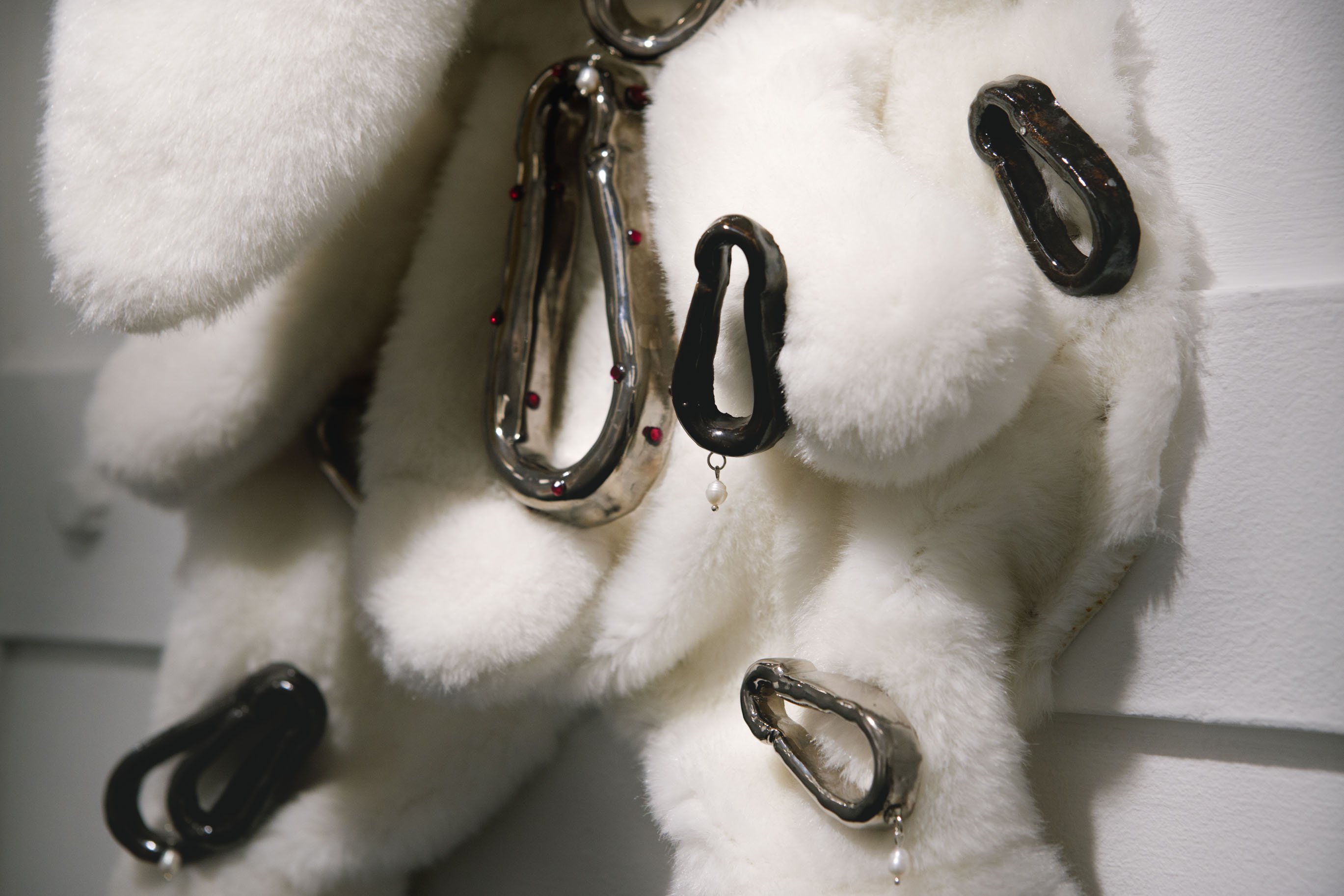
-The Biggest Lesbian (S, M, L, XL)
2026
Ceramics, classbeads, pinbackings Installed on a blush bunny
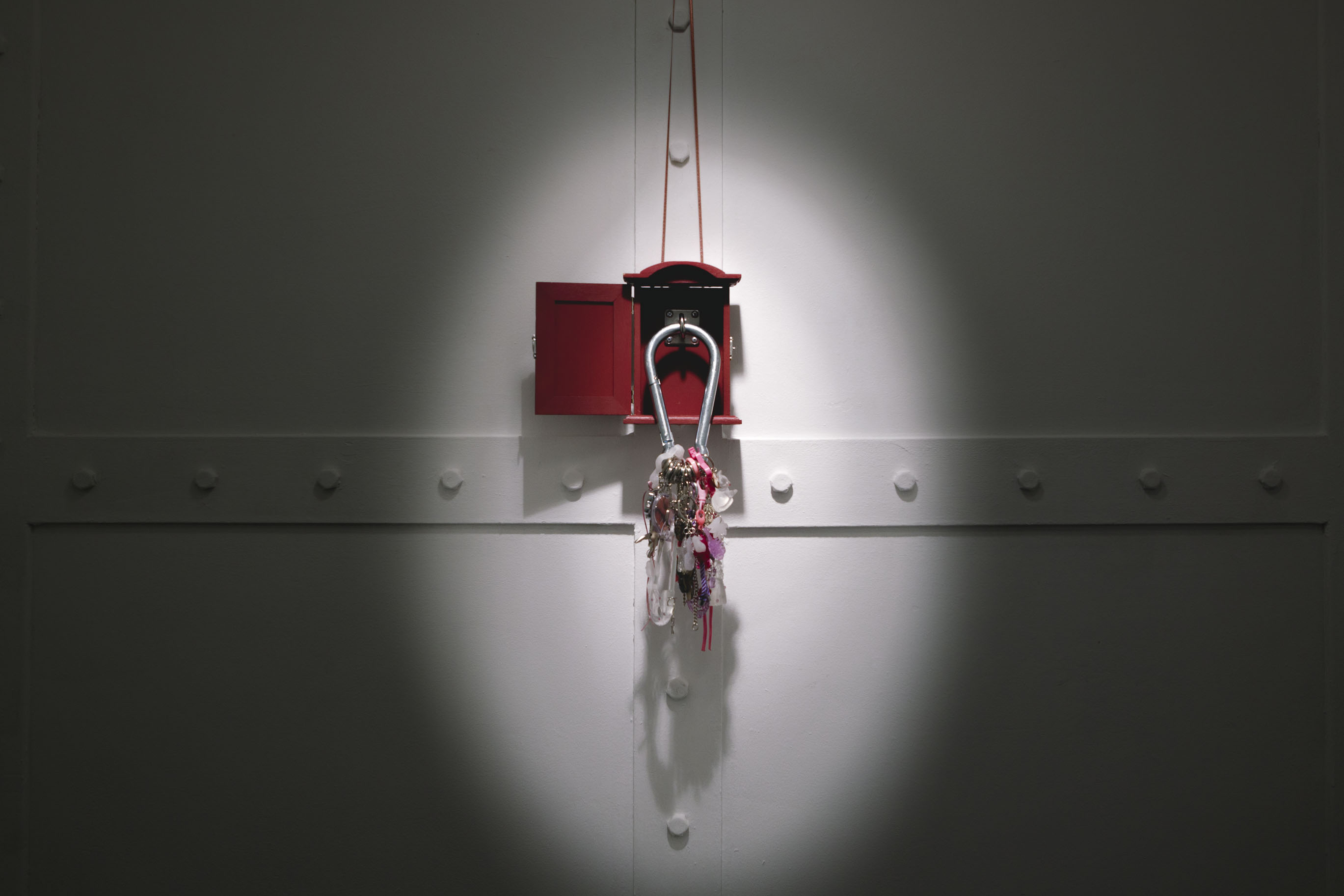
-Bundle of Keys
2026
Readymade, epoxy, ceramics, textile
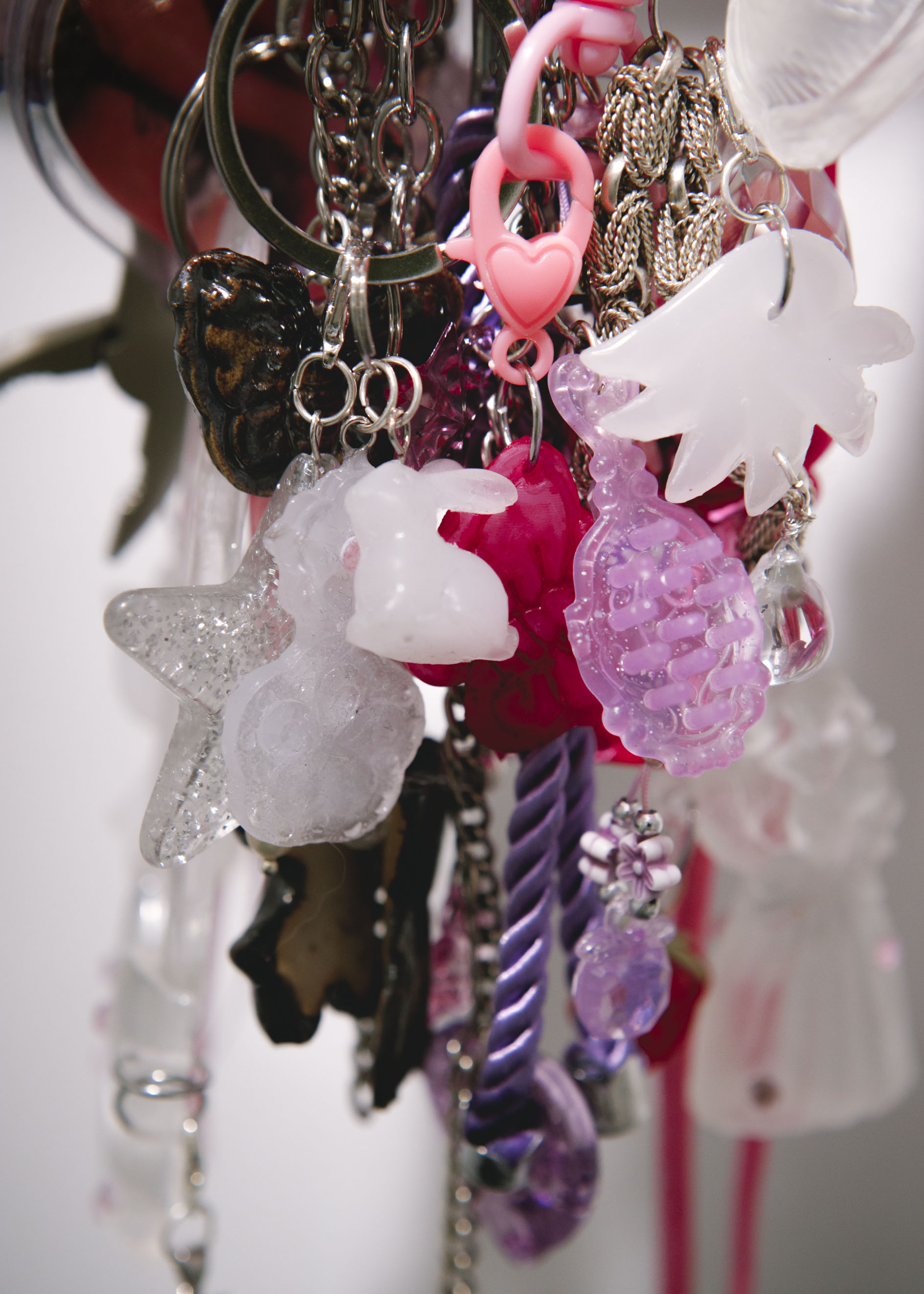
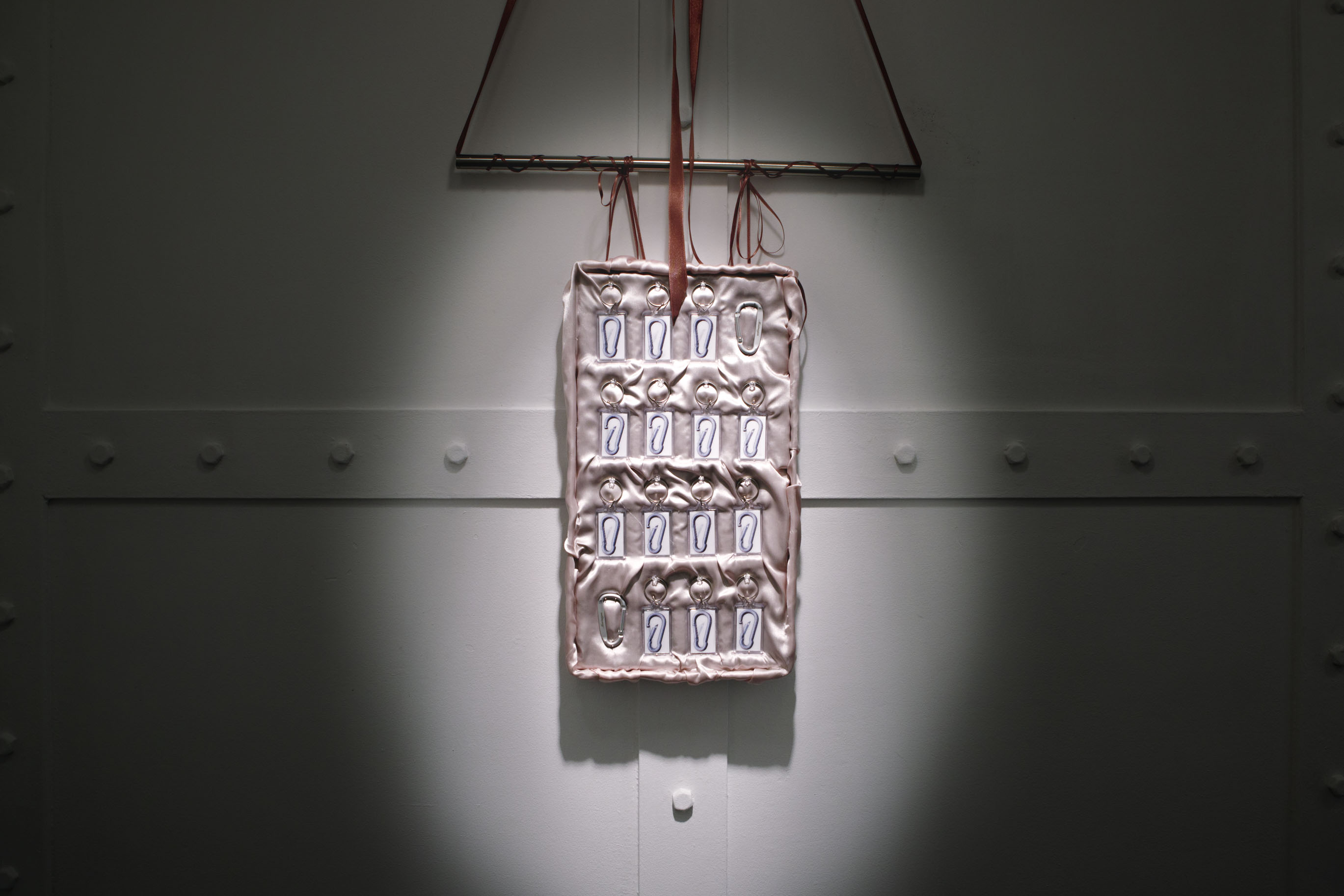
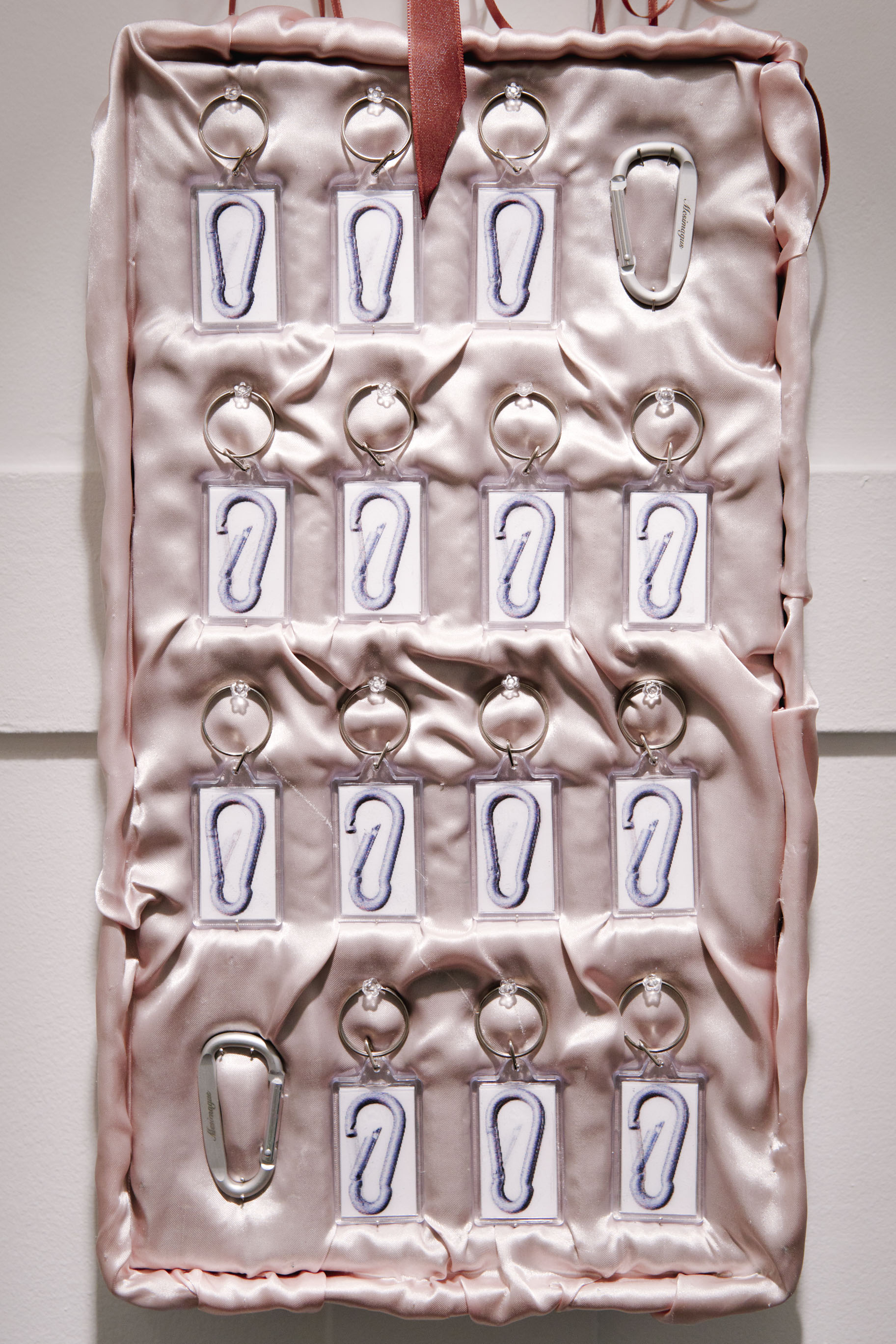
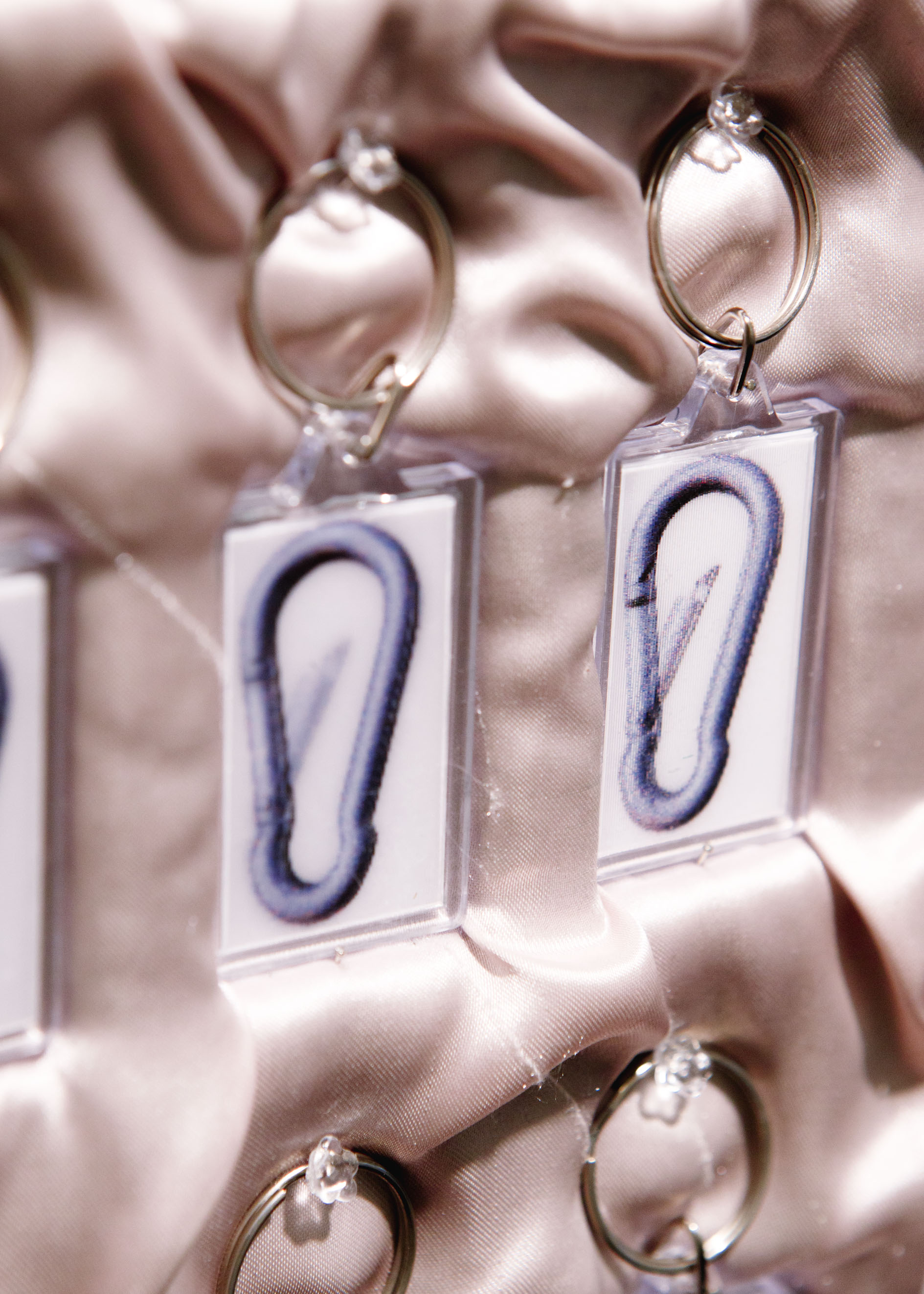
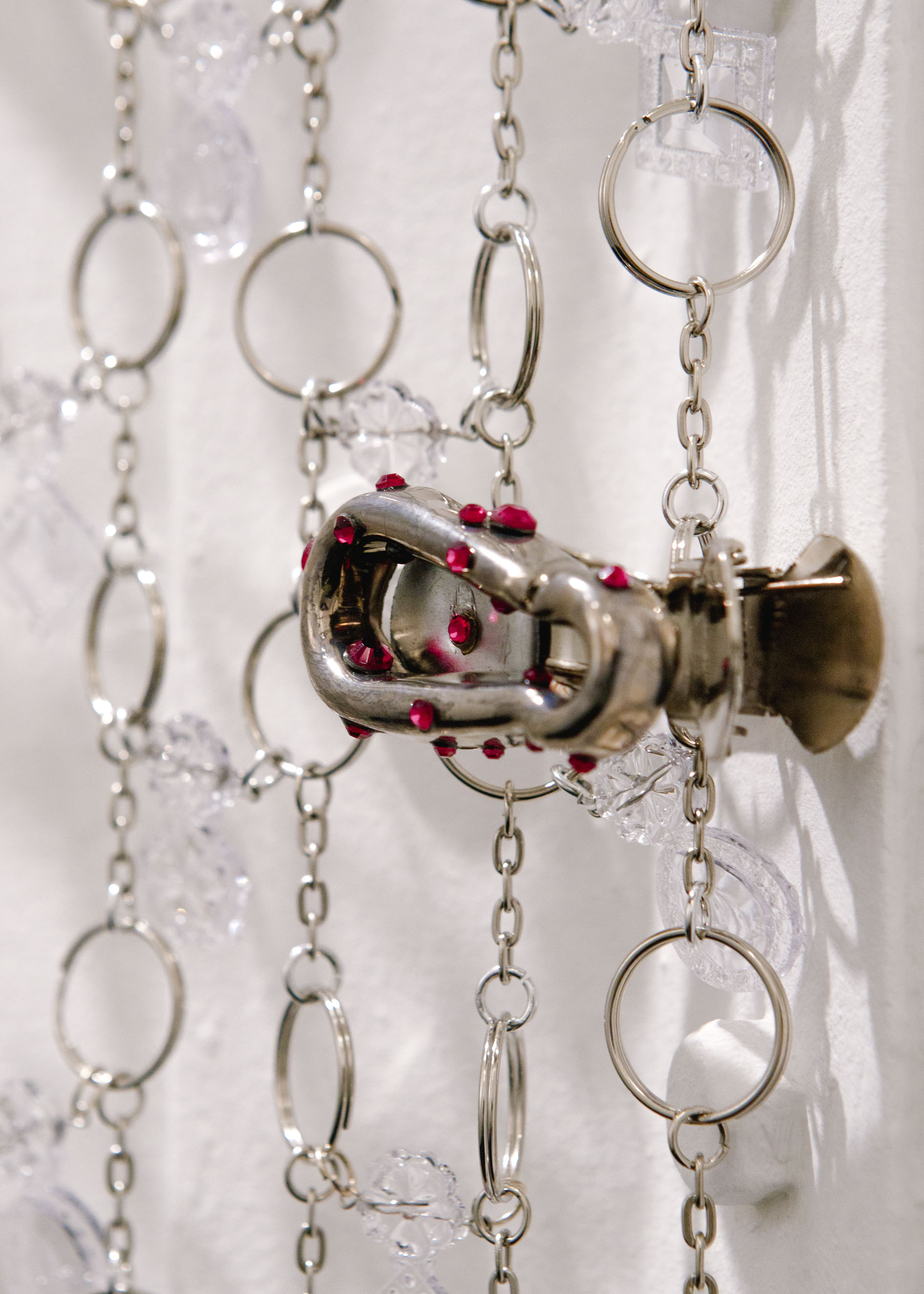
-Carabiners (Keychains)
2026
Plastic keychains, lenticular print
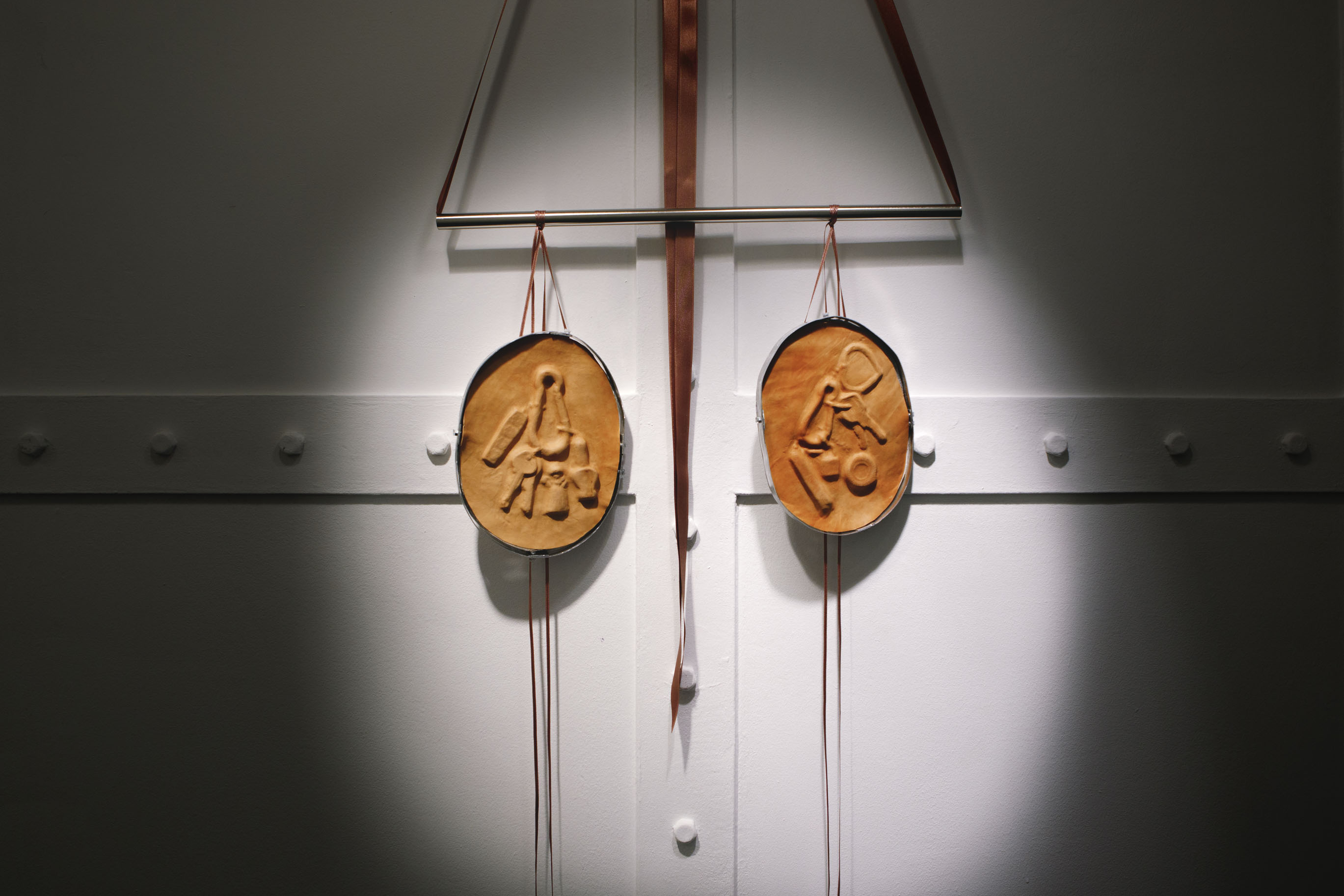
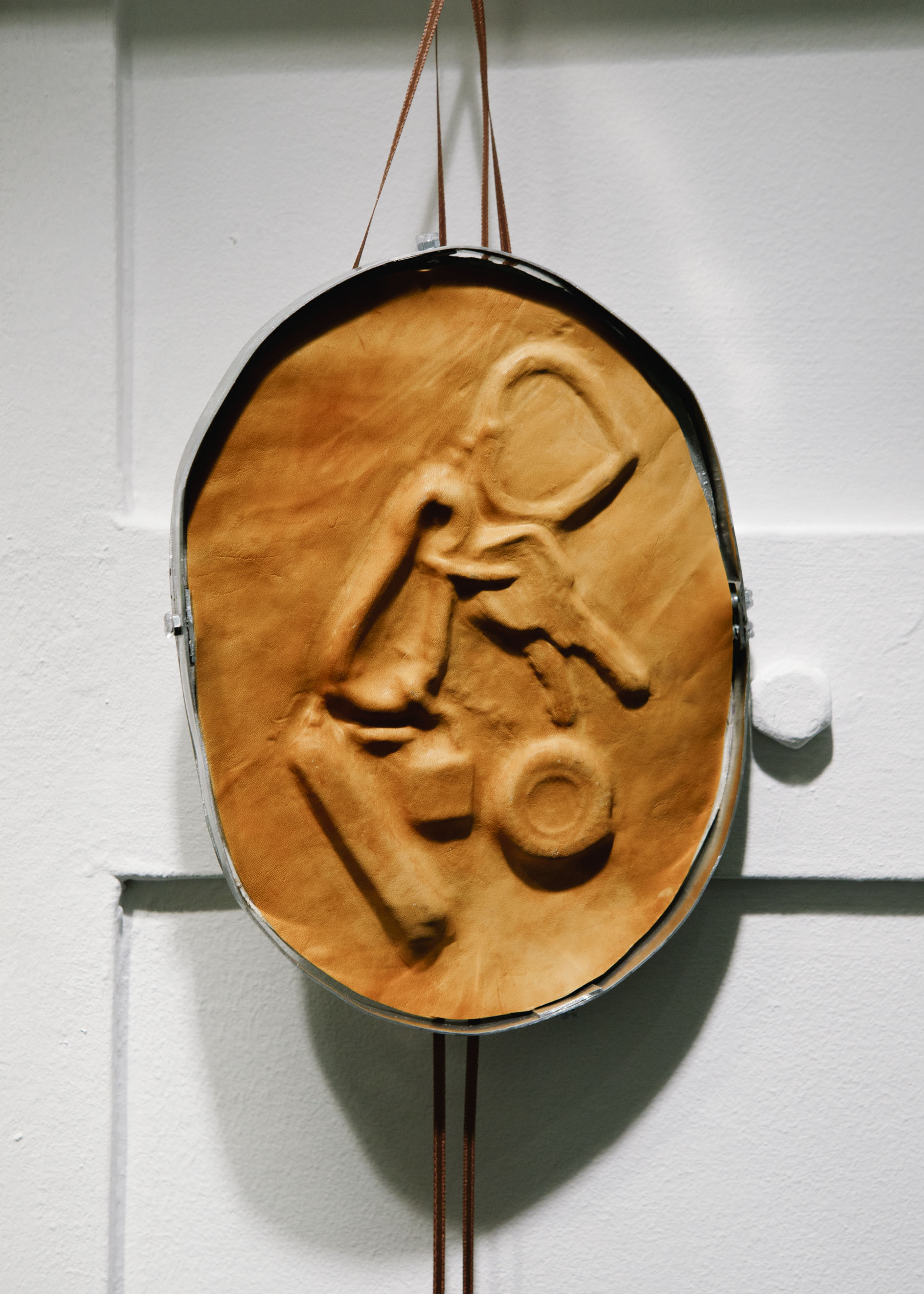
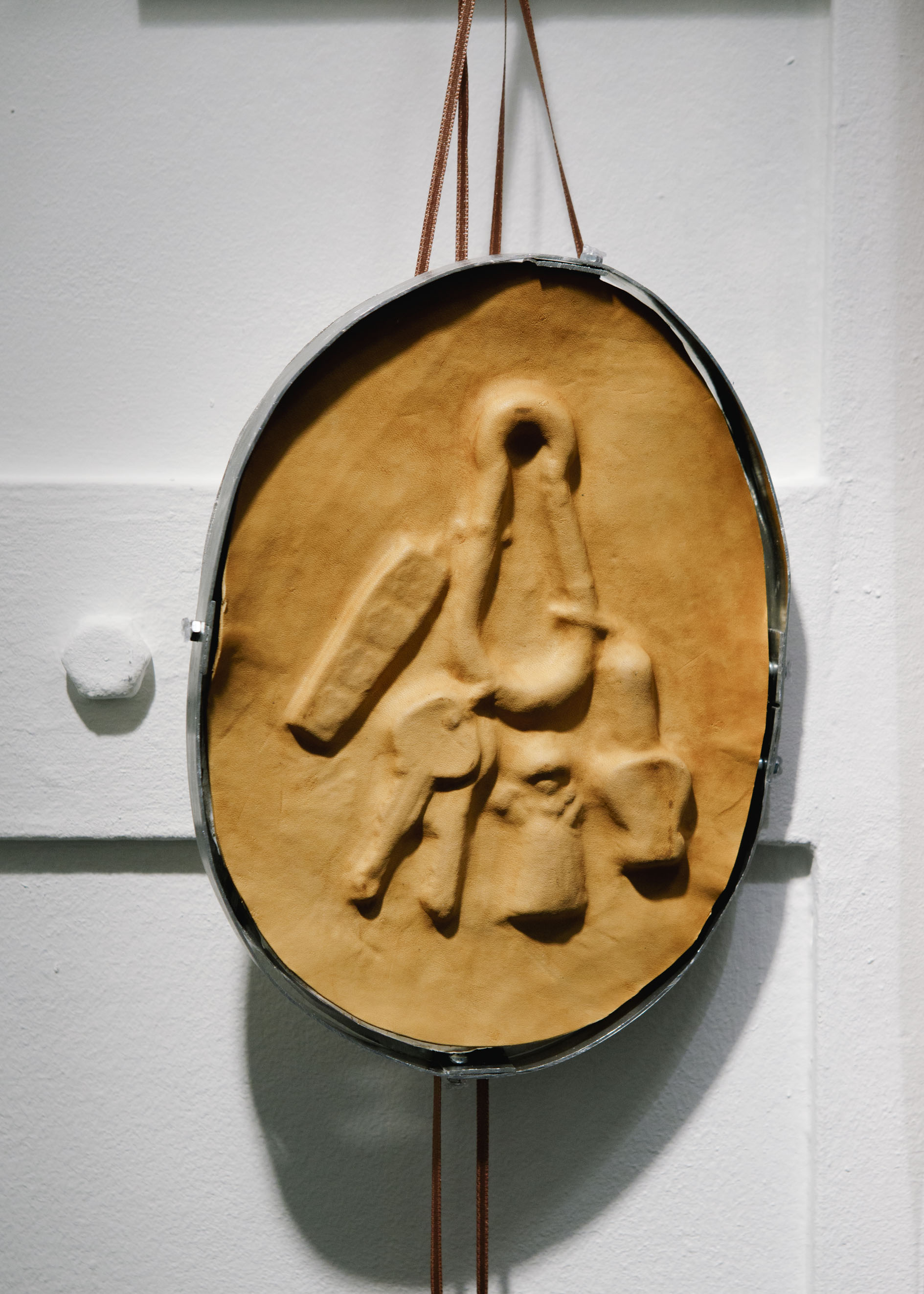
-Keys in Leather (Two of The Same II)
2026
Gipsum, leather
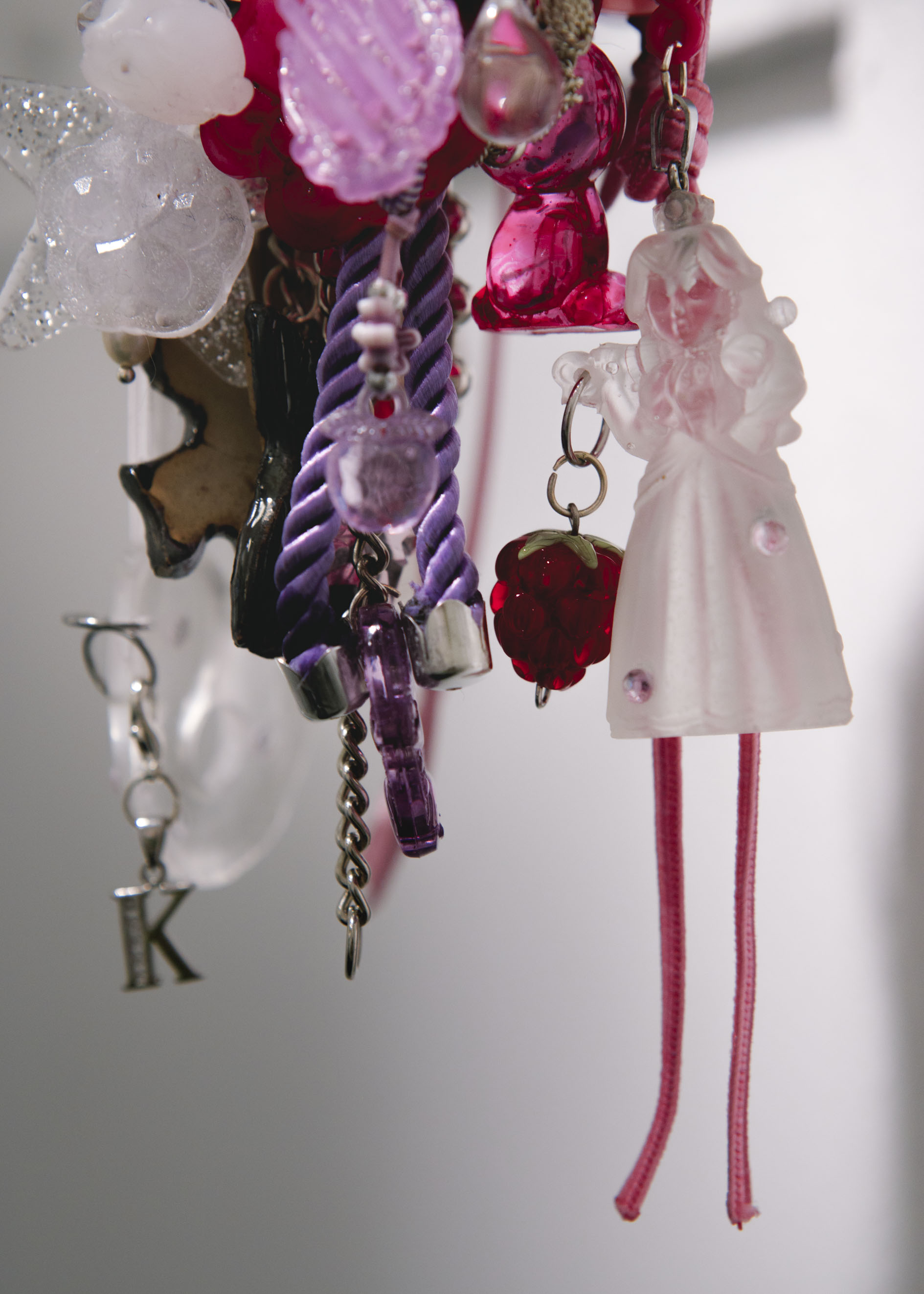
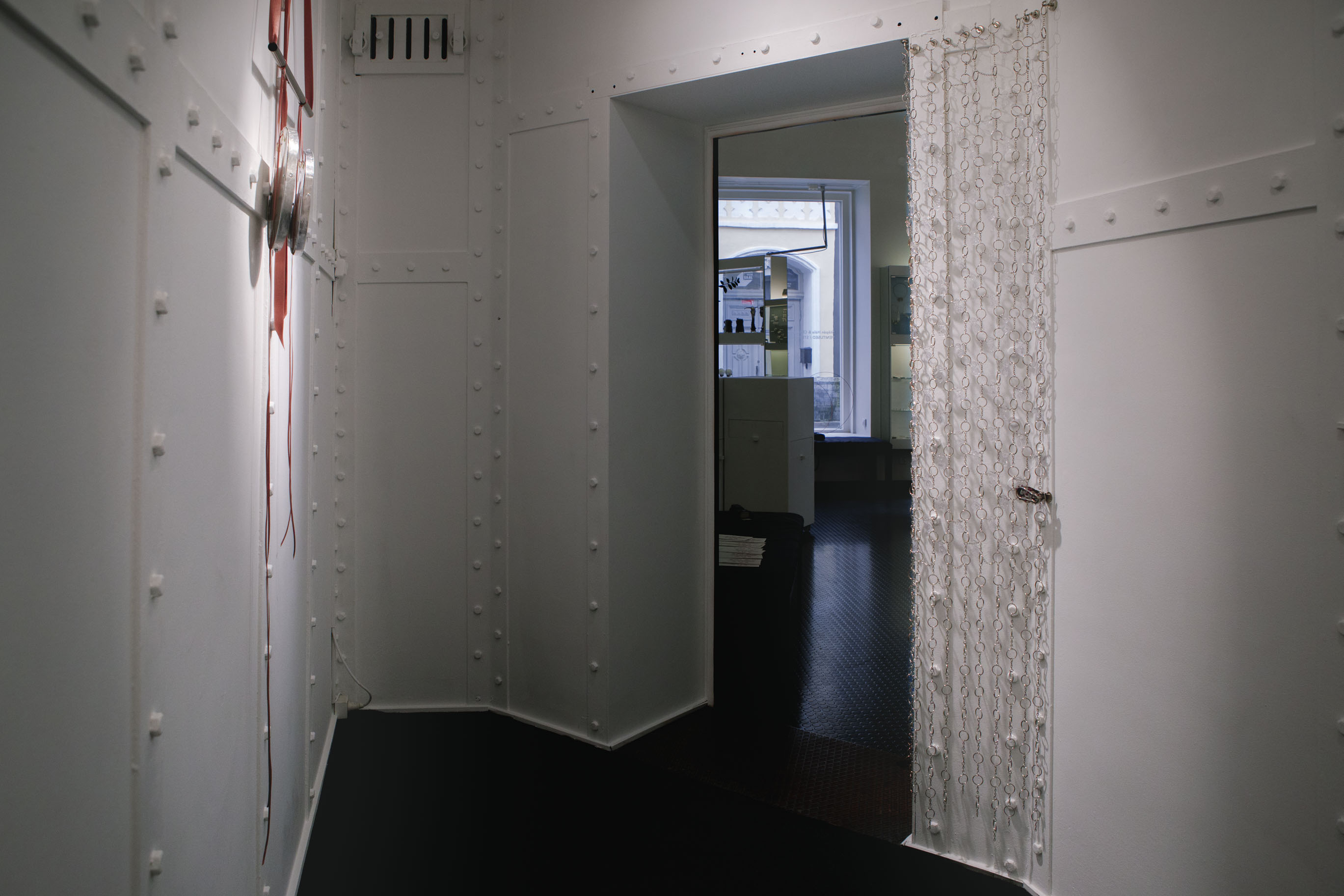
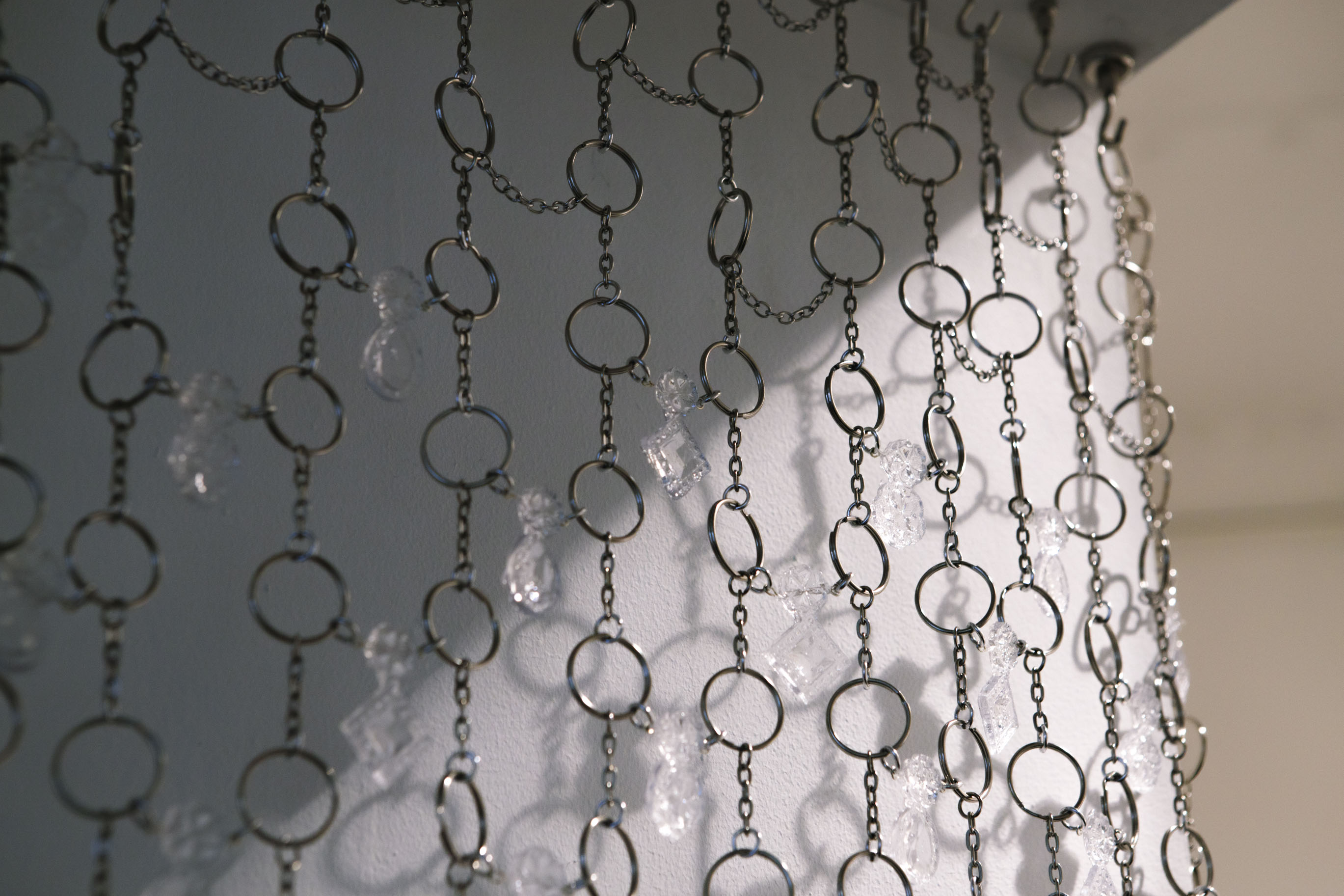
-From Time to Time You Think of Me
2026
Keyrings, epoxy, chain
Photos by Sille Riin Rand
02.10-31.10.2023 A-Gallery, Tallinn. Exhibition design Sarah Nõmm
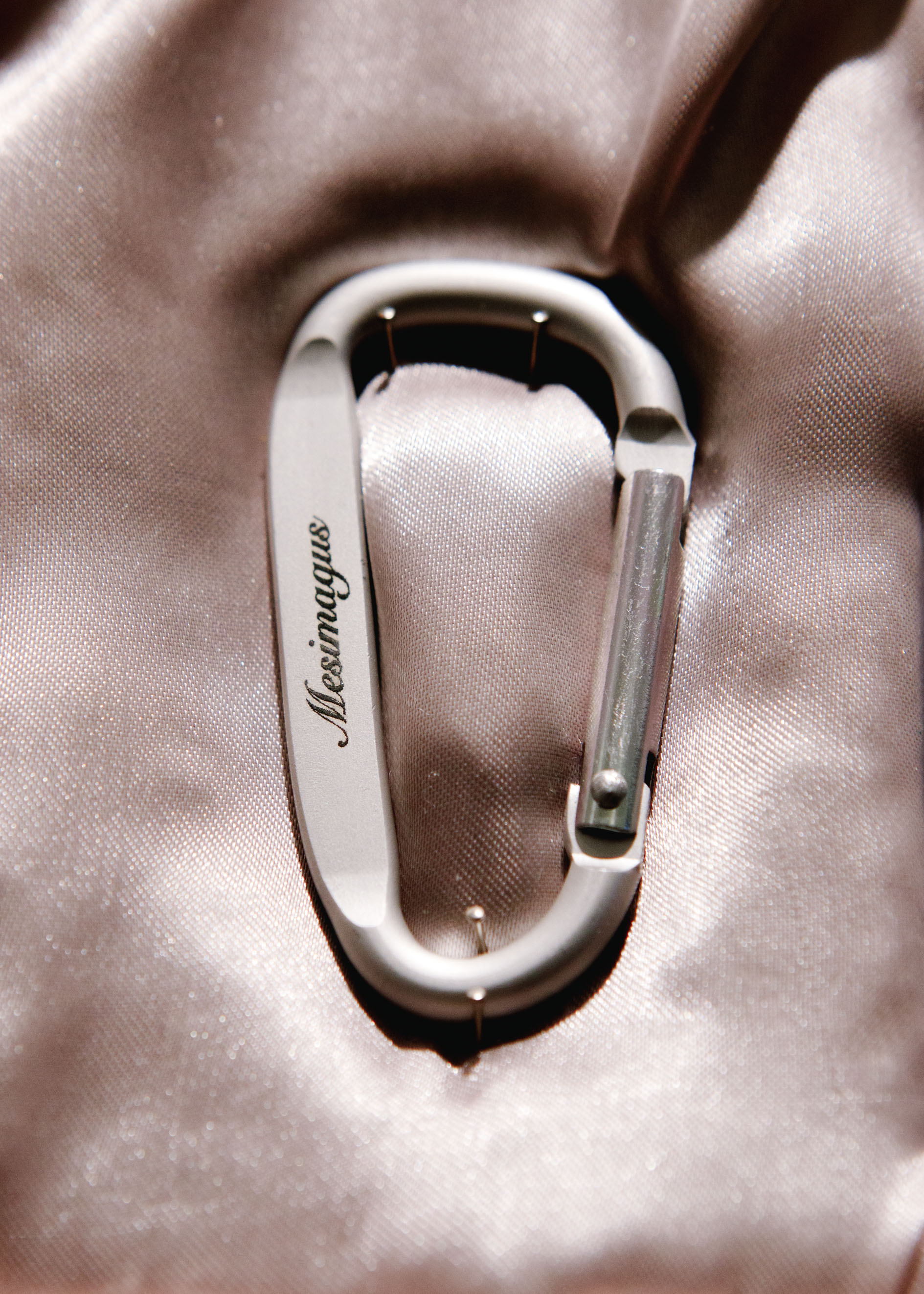
Carabiners, widely associated with blue-collar aesthetics, have been used as practical accessories in American working-class lesbian communities since around the 1950s. Similar to the “hanky code”¹ that originated from the BDSM community, wearing a carabiner in the 1980s helped lesbians flag their sexual preferences. Wearing a carabiner on either the left or right side on the belt loop signified the wearer’s role. Throughout history, queer people have expressed their identities through clothing and accessories, and thus the tradition of wearing a carabiner has persisted to this day. Flagging² has been and remains important in various subcultures because it allows people to give discreet hints about their sexuality and other aspects of their identity.
In heterosexual (working-class) culture, carabiners symbolize functionality and gender roles for most, rather than a style or personal choice. Chris Brickell, one of the editors of the book “Queer Objects” (2020), says that objects can be divided into three categories: “Those that could be said to be obviously queer, those that were queer in certain circumstances and those that didn’t seem obvious at all.” In the case of a carabiner, it can be concluded that this is an object that’s role depends on the personal meaning the wearer assigns to it. Consciously wearing a stereotypically lesbian item means performing the “lesbian” image for those who recognize it, regardless of whether the audience consists of queer people or heterosexuals. Thus, both queer people and others may wear them, but for entirely different or partially overlapping reasons.
In the exhibition “Bundle of Keys,” carabiners become objects of desire. I find keyrings attractive – their practicality, the cold and durable metal, their sleek shape. The carabiners’ function shifts from practical to semiotic, becoming nothing more than a nice-to-look-at. How do we assess the usefulness of something if it is merely beautiful or attractive? I carefully curate my keyrings; there always seem to be more of them than keys. It’s a secret code for unlocking someone’s identity – to others, it may seem like an everyday utility item, a random accessory, or something vaguely significant. A carabiner hanging from a belt loop serves to keep the wearer’s keys secure, but it can also hint at their sexuality.
No need for words to explain what you want – I can read it by the loop of your belt. Your bundle of keys is pressing firm against the side of my right hip. I can feel its cold metal through the cloth. Sending shivers down my spine.
¹ Hanky code – Wearing handkerchiefs of different colours in the left or right back pocket to discreetly signal one’s sexual preferences. Each colour has its own meaning, referring to different kinks and fetishes. The system was created in the 1970s, when gay sex was illegal in most places.
² Flagging – a way to express one’s sexual preferences to other queer people without words.